

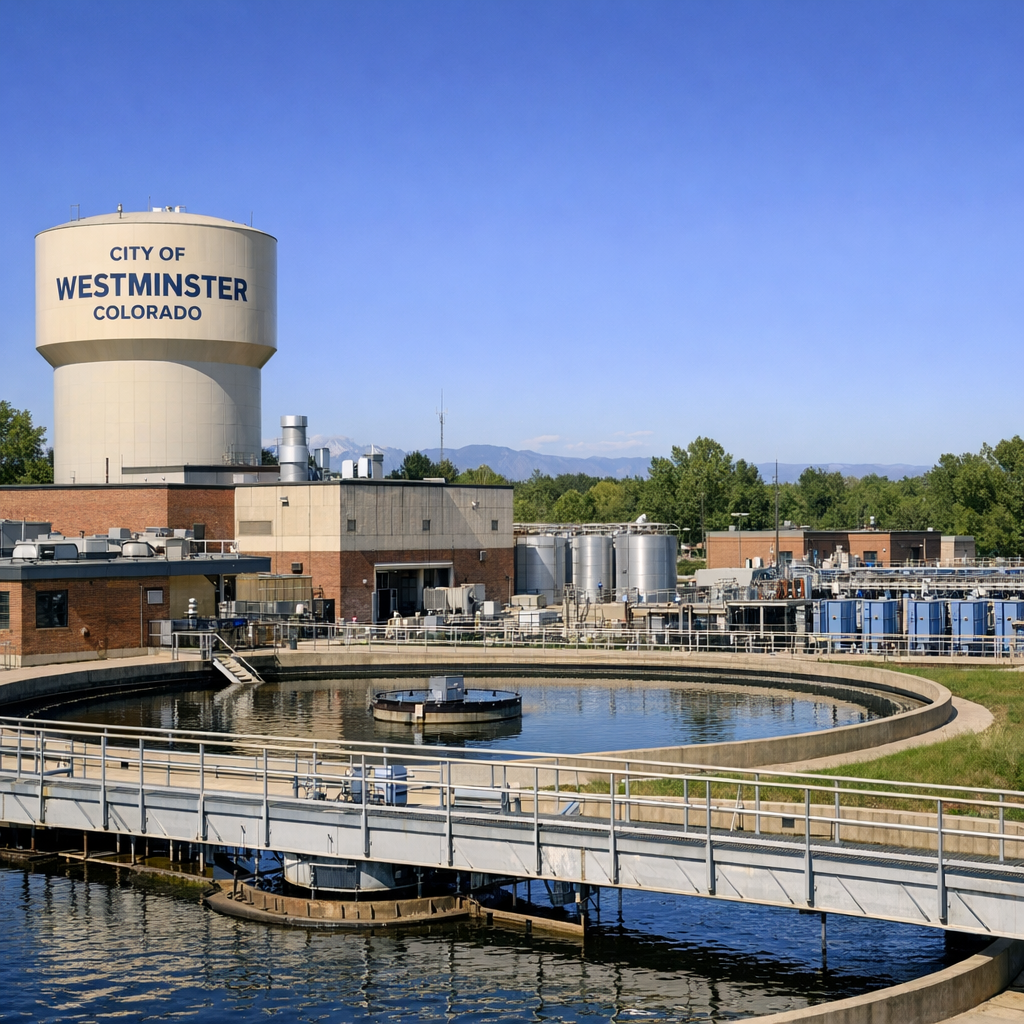
Water quality and conservation are critical issues for the residents of Westminster, Colorado. Recent assessments have highlighted areas of concern, prompting the city to implement various initiatives aimed at ensuring a sustainable and safe water supply.
Current Water Quality Status
According to a May 2026 report by WaterVerge, Westminster’s drinking water received a grade of D (46 out of 100), indicating poor water quality. The city’s three water systems serve approximately 203,655 residents using surface water sources. Notably, the system has 115 violations on record, including one health-based violation, with 14 remaining unresolved. Additionally, PFAS compounds were detected in testing, though levels remain within current EPA limits. Residents seeking extra precaution may consider using activated carbon or reverse osmosis filters.
City’s Conservation Initiatives
In response to these challenges, Westminster has actively promoted water conservation and efficiency since the 1980s. The city is committed to helping all customers make smart choices about their water use. Programs include support for residents to replace gas-powered lawn mowers with electric ones, mitigating an estimated 1,541,500 pounds of CO2 per year. Additionally, events like Bike to Work Day have seen increased participation, promoting clean commuting options and resources available to residents.
Community Involvement and Future Outlook
Community involvement is crucial in addressing water quality and conservation issues. Residents are encouraged to participate in city programs and stay informed about water-related developments. The city continues to monitor water quality closely and is committed to making necessary improvements to ensure the health and safety of its residents.
By staying informed and engaged, Westminster residents can contribute to the ongoing efforts to improve water quality and promote sustainable water use in the community.