

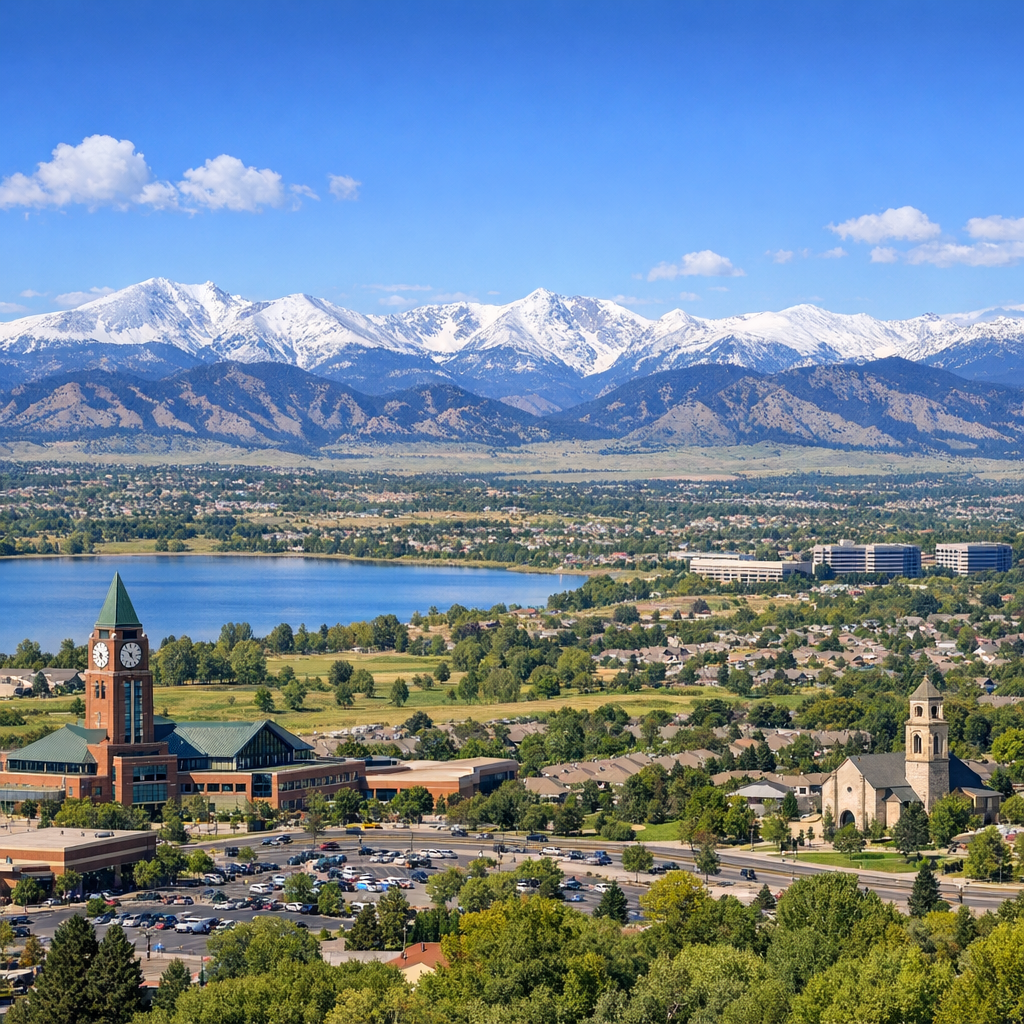
Westminster, Colorado, experiences a diverse climate characterized by hot summers and cold, snowy winters. Understanding these patterns is essential for residents and visitors alike.
Climate Overview
Westminster’s climate features significant seasonal variations:
- Summer: The hot season spans from early June to mid-September, with average daily high temperatures exceeding 79°F. July stands out as the warmest month, boasting an average high of 88°F and a low of 62°F.
- Winter: The cold season lasts from late November to early March, with average daily high temperatures below 53°F. December is typically the coldest month, with an average low of 25°F and a high of 45°F.
Precipitation is relatively low throughout the year, with May being the wettest month, averaging 2.05 inches of rainfall. January and December are the driest months, each averaging 0.35 inches of rainfall.
Environmental Challenges
Westminster faces several environmental challenges that impact its residents and natural resources:
- Water Supply: The city has developed its own water system centered on Standley Lake and the Semper Water Treatment Facility. However, record-low snowpack levels have put pressure on this system, prompting the city to invest in a new $206 million treatment plant to secure future water supplies.
- Stormwater Management: Westminster manages two stormwater basins: Big Dry Creek and Little Dry Creek. Stormwater runoff from non-absorbent surfaces can carry pollutants into waterways, posing environmental concerns.
- Invasive Species: The city monitors threats from invasive species such as the Emerald Ash Borer and Zebra and Quagga mussels, which can impact urban landscapes and water infrastructure.
By staying informed about Westminster’s climate patterns and environmental challenges, residents can better prepare for seasonal changes and contribute to the city’s sustainability efforts.